
Restaurant trends 2026: How to future-proof your business
In 2026, restaurants that thrive will be those embracing flexibility, automation and experience-first dining. Expect a surge in AI‑powered ordering and personalisation, a stronger demand for sustainability, smaller plates and snack‑style menus tied to new eating habits, popularity of early‑evening dining, and growth in hybrid digital‑physical service models (online ordering, delivery, kiosks, dine‑in).
By adopting modern tech, rethinking menus and re‑imagining guest experience, restaurants can stay competitive, reduce cost pressures and meet evolving customer expectations in the UK and Ireland.

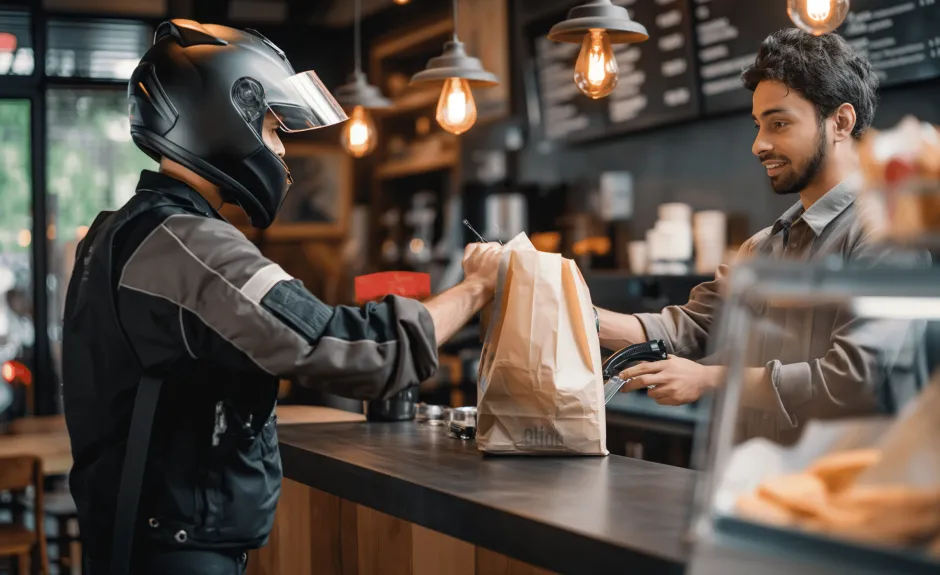
Table of Contents
- Shifting dining habits and guest expectations
- Technology and AI adoption becoming standard
- Sustainability and conscious eating move centre stage
- Menu evolution: smaller plates, snacks and shareable bites
- Hybrid service models: blending dine‑in, online ordering and delivery
- Operational efficiency and cost control through automation
- Early‑evening dining and value‑driven offers
- How restaurant owners can act now
Top Restaurant Trends in 2026
Shifting dining habits and guest expectations
Consumer behaviour in 2026 is evolving rapidly. Many diners now prefer flexibility and spontaneity, booking last minute or walking in without reservations. According to a 2026 report from a leading UK reservations platform, there has been a significant rise in spontaneous bookings and walk‑ins year‑on‑year.
Meanwhile, guests are increasingly valuing experiences over just food. This means restaurants must deliver more than a plate, whether it’s ambience, quick service, or unique dining formats (like themed nights or tasting menus). The pressure to deliver consistency, convenience and memorable experiences is stronger than ever.
For operators, this means being prepared for variable demand, managing capacity smartly, and offering options that cater both to planned diners and spontaneous visitors.
Technology and AI adoption becoming standard
Technology has moved from optional to essential. Restaurants are adopting modern POS systems, online ordering, kitchen display systems, and loyalty platforms to streamline operations, reduce manual error and enable smooth ordering across channels.
In 2026, AI is no longer a novelty, it is a tool to deliver personalisation, operational efficiency, and better customer experience. From AI‑powered ordering flows to predictive analytics that help manage inventory, staffing, and menu demand, the restaurants investing in intelligent tech are getting a competitive edge.
Adoption of these tools helps restaurants handle labour shortages, reduce wastage, and meet customer expectations for speed, convenience, and personalisation.
Looking for ways to Boost Orders & Revenue for your Restaurant/Takeaway?
Access our "Top 10 tips for generating more orders for your restaurant." eBook by filling the form below.

Sustainability and conscious eating move centre stage
By 2026, sustainability is no longer optional; it is expected. Diners increasingly prefer establishments that offer eco-conscious options, whether that’s plant‑based dishes, sustainable sourcing, minimal packaging, or transparent practices.
Restaurants can gain customer trust by integrating sustainability into their supply chain, menu design, and packaging. This not only satisfies environmentally conscious diners but often reduces costs in waste and resource management, a key benefit in the face of rising food and energy prices.
Menu evolution: smaller plates, snacks and shareable bites
The traditional full‑meal format is being supplemented (or sometimes replaced) by smaller plates, snacks, and shareable dishes. This trend is driven by changing eating habits, diners want flexibility, variety and value without committing to large meals.
Smaller plates allow restaurants to experiment with flavours, reduce food waste, serve more customers, and offer a more social, tapas‑style dining experience. For pubs, gastropubs and urban bistros in the UK and Ireland, this format resonates strongly, especially among younger diners or those seeking lighter meals without compromising on taste or quality.
Hybrid service models: blending dine‑in, online ordering and delivery
The future of dining is hybrid. In 2026, many successful restaurants combine dine‑in, takeaway, delivery, online ordering and self‑service kiosks, offering customers multiple ways to engage with their brand.
This flexibility meets modern consumer expectations: busy professionals want convenience, others seek experience, and many appreciate both at different times. A robust hybrid model ensures you’re not relying on a single revenue stream. It also helps smooth operations during unpredictable demand fluctuations.
Operational efficiency and cost control through automation
With rising labour, ingredient, and energy costs across 2025‑2026, restaurants are under pressure to control expenses without compromising service. Technology offers a lifeline. Advanced POS systems, data‑driven inventory tools, kitchen display systems, and AI‑powered order management can significantly reduce waste, optimise staffing and cut manual errors.
Automated systems also free staff from repetitive tasks, letting them focus on service quality, cooking, or guest interaction, which becomes a competitive advantage when staffing is tight. Efficiency gains help maintain profitability without raising prices.
Early‑evening dining and value‑driven offers
A rising trend in 2026 and beyond is early-evening dining. Data shows many UK diners, especially younger or health and cost-conscious customers are opting for dinners around 5‑6 pm rather than the traditional 7‑8 pm slot.
For restaurants, this means rethinking opening hours, table‑turn strategies, and staff scheduling. Introducing early‑bird menus, value bundles or lighter set menus can attract these diners, spread footfall, and increase revenue during what was traditionally off‑peak.
How restaurant owners can act now
- Audit your tech stack: Move to cloud‑based POS, integrate online ordering and delivery, use kitchen display systems to reduce errors and speed up.
- Embrace hybrid menus: Add smaller plates, snacks, shareables, and plant‑based options that appeal to evolving tastes.
- Invest in sustainability: Source local produce, minimise waste, and promote eco‑friendly practices, transparency wins customers.
- Offer flexible dining options: Support dine‑in, takeaway, delivery and click‑and‑collect, giving guests the flexibility they expect.
- Experiment with scheduling: Offer early‑bird menus or discounts to cater to early‑evening diners and spread demand.
- Leverage data & AI: Use analytics to understand customer patterns, predict demand, optimise staffing and personalise marketing.
Final thoughts
Restaurant trends in 2026 reflect a transformed hospitality landscape, one where flexibility, technology, sustainability and guest experience are deeply intertwined. Success will go to operators who adapt quickly and thoughtfully.
By embracing hybrid service models, updating menus for modern tastes, investing in automation and keeping a sharp eye on sustainability and guest preferences, restaurants in the UK and Ireland can not only survive but thrive in a competitive and rapidly evolving industry.