
Does your restaurant have the right personality to succeed?
A restaurant’s personality shapes how customers perceive and engage with it. Venues with a clear identity, strong service culture, and tech-driven operations tend to attract loyal guests and perform better. By defining your brand, training staff, and using tools like POS and online ordering, you can build a magnetic restaurant that stands out and keeps customers coming back.

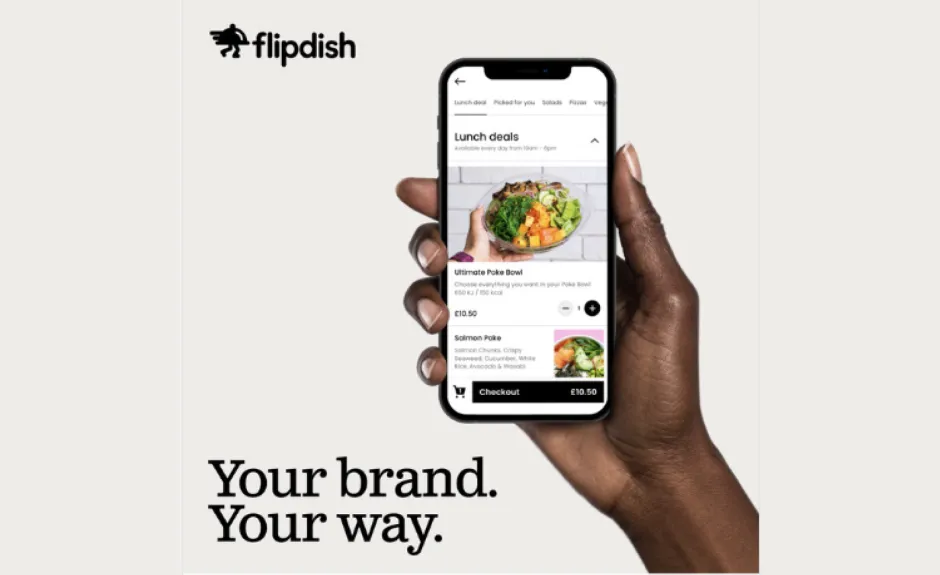
The two types of restaurant personalities
The Magnetic Restaurant - These restaurants attract guests naturally. They have a clear brand identity, exceptional service, and an engaged team. Customers rave about their experience and return regularly.
The Struggling Restaurant - These venues often lack focus. Service is inconsistent, food quality fluctuates, and the atmosphere feels uninspired. They struggle with retaining both staff and customers.
According to Paul Scully, Minister for Small Business, “The most successful hospitality businesses are those that evolve, adapt, and continuously refine their brand identity.”
Are you a “restaurant person”?
A thriving restaurant is often a reflection of its owner’s passion and leadership. Successful restaurant owners, what we’ll call “Restaurant People” - share these key traits:
An obsession with hospitality and customer experience.
A commitment to training and empowering their staff.
A willingness to innovate and embrace new technology.
Eimear McCarthy, a Dublin-based restaurant consultant, explains: “Great restaurant owners treat their business like a living, breathing entity. They nurture it, evolve with it, and invest in the details that elevate the guest experience.”
Building a winning restaurant personality
To shape a restaurant with the right personality, owners should focus on three core areas:
Service culture - A strong service culture fosters team morale and keeps customers coming back. Regular training and staff engagement initiatives can strengthen your restaurant’s identity.
Technology integration - Leveraging the best all-in-one POS for restaurants and incorporating self-serve kiosks or online ordering for takeaways can optimise efficiency and improve customer satisfaction.
Authenticity & brand identity - Customers are drawn to restaurants with a clear vision and authenticity. Defining your brand personality, whether it’s casual and fun or high-end and refined, helps you stand out.
What makes up a strong restaurant brand?
A successful restaurant brand is more than just a logo, it’s a complete experience. Consider these key elements:
Identity & positioning - This includes the restaurant’s name, logo, tagline, and overall concept. It also covers how the restaurant differentiates itself (e.g., premium dining, fast casual, family-friendly, or trendy street food).
Example: Shake Shack has built a strong identity as a high-quality yet casual burger chain, known for its modern branding and consistent quality.
Customer experience - This extends beyond food to the service, atmosphere, and even digital touchpoints (website, app, online ordering). Every interaction shapes how customers perceive the brand.
Example: Nando’s combines a relaxed dine-in experience with a strong digital presence, ensuring customers have a seamless experience online and in-store.
Visual & verbal identity - Consistency in design (menus, signage, packaging) and tone of voice (social media, website copy, marketing) reinforces brand recognition and personality.
Example: Dishoom’s branding captures the essence of Bombay’s Irani cafés with vintage-inspired interiors, nostalgic storytelling, and a distinct tone of voice in its marketing.
Reputation & community engagement - Online reviews, word of mouth, social media presence, and how the restaurant engages with customers and local communities build trust and loyalty.
Example: Honest Burgers actively engages with its local communities by sourcing ingredients locally and using social media to highlight collaborations with independent suppliers.
Food & quality promise - The menu, ingredient quality, sustainability efforts, and consistency of dishes form the core of the brand. Customers return not just for the experience but also for the reliability of what they’re served.
Example: Hawksmoor has built its reputation on consistently high-quality steak and a commitment to ethical sourcing.
Success requires adaptation
Restaurants are ever-evolving, and staying ahead requires adaptability. Owners who embrace innovation, prioritise service excellence, and commit to ongoing growth are the ones who succeed in the long run. The question is—what kind of restaurant are you building?
By fine-tuning your restaurant’s personality, embracing technology, and fostering a strong service culture, you can ensure your business remains a thriving fixture in the UK and Ireland’s competitive hospitality landscape.
Looking for ways to boost orders & revenue for your Restaurant/Takeaway?
Access our "Top 10 tips for generating more orders for your restaurant." eBook by filling the form below.

FAQs
Start by asking: How do guests describe their experience? Are reviews consistent about your atmosphere, food and service? Explore whether your brand tone, interior design, menu and digital presence feel aligned. If any part feels out of sync, it may suggest your personality is unclear.
Technology is more than tools, it reflects your brand’s approach to convenience, innovation and customer empowerment. Incorporating an all‑in‑one POS system, self‑serve kiosks or seamless online ordering signals that your restaurant values ease, modern service and guest control.
Beyond revenue and footfall, look at metrics tied to your service culture and brand identity: repeat customer rate, frequency of five‑star reviews, average time staff spend training on brand touch points and correlation between brand‑driven campaigns and guest engagement. These tell you whether your personality resonates and drives loyalty.