

QR code order and pay lets customers scan a code at their table to view the menu, place an order, and pay from their own phone. It speeds up service, increases average spend, and frees staff from manual order taking. Common concerns about reliability, kitchen pressure, staff roles, and loss of personal service are largely based on early, low-quality technology rather than well-built systems.
QR code order and pay has become a standard part of how many restaurants, pubs, and bars operate. Customers scan a code at their table, view the menu, order, and pay from their own phone, without waiting for a server to take the order or bring the bill.
Not all QR code technology is equal, though, and some operators have had poor experiences with rushed or low-quality systems. A good QR code order and pay system does far more than link to a PDF menu. It lets customers browse the full menu, add items, view meal deals, and pay with a digital wallet, while syncing directly with your POS system.
If you are weighing up whether the technology is right for your venue, here are five common myths and the reality behind each one.
Myth 1: The technology is unreliable and awkward
This can be true of rushed, low-quality systems, but it is not true of well-built ones. Established providers make their technology reliable and intuitive because their reputation depends on it.
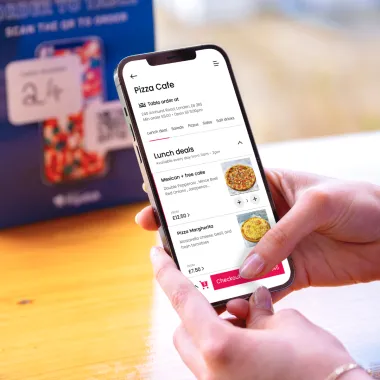
When comparing QR code ordering providers, look at their customer case studies, see which venues already use them, request a demo, and speak to other operators. A little research quickly separates the solid systems from the shoddy ones. A good system lets customers view the menu, add items to a basket, see meal deals, add sides and drinks, and pay with Google Pay or Apple Pay, all in a few taps.
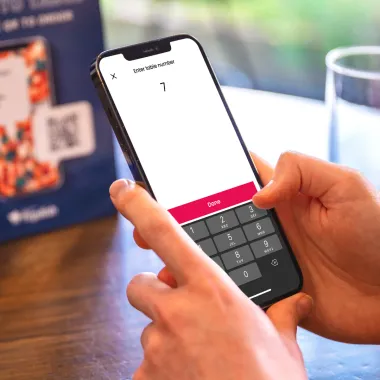
Myth 2: The kitchen will be overwhelmed by orders
A common worry is that letting customers order whenever they like will flood the kitchen. Good systems solve this with order throttling, which spaces out incoming orders so your kitchen is never hit with more than it can handle at once.
Well-designed table ordering actually improves operational efficiency rather than straining it. The Beaumont Arms in Huddersfield serves 640 outdoor seats from one small bar using Flipdish.
“A lot of publicans have come in to see how I'm doing it and they think I'm absolutely bonkers with the amount of tables I have outside and the world's smallest bar. Flipdish help us do that.”

David Robertson
Owner Beaumont Arms, Huddersfield, UK
Myth 3: My staff won't have anything to do
QR code order and pay frees staff from repetitive administrative tasks like dropping off menus, taking orders, confirming quantities, and processing payments. That does not leave them with nothing to do. It lets them focus on the parts of service that actually improve the customer experience.
Instead of standing at a terminal inputting orders, staff can greet guests, answer questions, keep tables clean and turned over, and give attention to customers who need it. The work shifts from administration to hospitality.
Myth 4: Customers will miss the personal service
Some customers will always prefer ordering directly from a person, and that is fine. QR code order and pay does not have to be all or nothing. You can offer it alongside traditional table service and let customers choose.
In practice, the technology often improves service rather than removing the personal touch. With staff freed from taking orders and processing payments, they have more time to greet guests, check in during the meal, top up drinks, and handle any issues. In a Flipdish survey, 80% of pub-goers said they wanted pubs to keep digital ordering even after it was no longer required.
Other industries show the same pattern. Online banking and ATMs changed long-held habits and ultimately made everyday transactions faster and more convenient.
Myth 5: I'll need to throw out my printed menus
Printed menus are becoming less common, but QR code ordering does not mean getting rid of them entirely. Digital menus mean fewer physical touchpoints, less waste, and faster service, but it is still worth keeping some printed or laminated menus for customers who prefer them or ask for one. The two can happily coexist.
Frequently asked questions
QR code order and pay is a system that lets customers scan a QR code at their table to view the menu, place an order, and pay directly from their phone. Orders are sent straight to the kitchen and payment is taken digitally, without a server needing to take the order or bring the bill.
Each table has a unique QR code. The customer scans it with their phone camera, which opens the restaurant's digital menu in a browser. They browse, add items to a basket, and pay using a card or digital wallet. The order flows directly into the restaurant's POS and kitchen, linked to the correct table.
Not when the system includes order throttling, which spaces out incoming orders so the kitchen is never hit with more than it can manage at once. Well-designed table ordering systems are built to smooth demand rather than create bottlenecks.
Well-built systems from established providers are highly reliable. Poor experiences usually come from rushed, low-quality solutions. Checking a provider's customer case studies, requesting a demo, and speaking to other operators is the best way to assess reliability before committing.
Yes. By removing manual order taking and payment processing, QR code ordering frees staff to spend more time on hospitality, such as greeting guests, checking in during the meal, and resolving issues. Many venues offer QR ordering alongside traditional service so customers can choose.

