

Meal kits give restaurants a way to sell beyond the walls of the dining room. Instead of a finished plate, the customer receives a package of prepared ingredients and clear instructions to turn them into a restaurant-quality meal at home.
For the right restaurant, it is a smart additional revenue stream. It uses the skills your kitchen already has, requires little extra investment, and reaches customers who cannot or would rather not visit in person. Here is what a meal kit involves and how to build an offering that works.
What is a meal kit?
A meal kit is a package of ingredients, delivered cold, with instructions for turning them into a finished meal at home. The ingredients usually include the elements that take a restaurant's skill to prepare, such as sauces, marinades, and components made in advance, alongside anything that benefits from being freshly assembled by the customer.
A well-designed kit is built around maximum impact for minimum effort on the part of the customer. Some restaurants include a starter, salad, or dessert fully prepared, leaving only the main to finish. The goal is a genuinely restaurant-quality result without the complexity of cooking the dish from scratch.
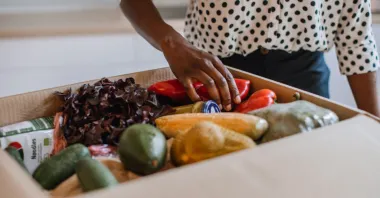
Why meal kits work as a revenue stream
Meal kits offer clear benefits on both sides.
For the restaurant, they are an opportunity to sell more meals both when the restaurant is closed and when it is open. Most kitchens are limited by the number of covers they can physically serve, and meal kits lift that ceiling with very little additional investment. They also travel further and keep longer than hot delivery food, extending your reach well beyond your normal delivery radius.
For the customer, meal kits offer the chance to enjoy restaurant-quality food at home, without travelling, paired with their own wine and their own surroundings. For people living outside the immediate area of a restaurant they love, it can be the only way to experience that food at all. Much of a chef's skill lies in designing the dish and sourcing the ingredients rather than the final cooking step, so the customer can be confident of a great result while enjoying the process of finishing it themselves.

How to build a meal kit offering
Follow these four tips to build an offering that works.
1. Keep it simple
If your customer is cooking at home, make it as easy as possible for them. Design each kit so that clear instructions and a little common sense are all that is needed. Do not expect too much of the customer, and do not leave them with a mountain of washing up. A simple, enjoyable experience is what brings them back to order again.
2. Focus on what you do best
You are a restaurant, not a grocery store. Keep the menu short and focused, with options that are easy to understand. Many of your early orders will come from people trying a meal kit for the first time, so let them order with confidence rather than overwhelming them with choice. A limited menu also makes inventory easier to manage and reduces waste.
3. Design for delivery
Your food needs to arrive in the best possible condition. Part of that comes down to your delivery method, but the kit itself should be designed to survive the journey, potentially over longer distances and times than a hot delivery. This is the advantage of cold delivery, but it does mean testing your packaging and ingredients to make sure everything arrives exactly as intended.
4. Make it easy to order
Even the best meal kit will not sell if it is hard to buy. Sell your kits through your own online ordering system, where you control how the menu is displayed and the checkout is built to convert. Avoid offering meal kits through third-party aggregators, as covered in our guide on why restaurants are leaving third-party aggregators. The appeal of a meal kit is tied entirely to your brand and the experience you have designed, so it should carry your name, not a marketplace's, and the customer relationship and data should stay with you.
Frequently asked questions
A restaurant meal kit is a package of prepared ingredients and instructions that lets a customer finish a restaurant-quality dish at home. It typically includes the components that take a chef's skill to prepare, such as sauces and marinades, along with clear steps for assembling and finishing the meal.
Meal kits can be a profitable additional revenue stream because they use a restaurant's existing kitchen skills and require little extra investment. They let a restaurant sell beyond the capacity of its dining room and beyond its usual delivery radius, though profitability depends on keeping the menu focused and packaging costs under control.
Restaurants prepare the elements that need their expertise in advance, such as sauces and components, then package them cold with any fresh ingredients and clear finishing instructions. The kit is designed so the customer can assemble and complete the dish easily at home with a restaurant-quality result.
It is better to sell meal kits through your own online ordering channels rather than third-party aggregators. A meal kit's appeal is closely tied to your brand and the experience you design, so it should carry your name, and selling direct means you keep both the margin and the customer relationship.
Dishes that travel and keep well, and that can be finished easily at home, work best. Keep the menu short and focused on what your kitchen does best, avoiding anything that is fragile, time-sensitive, or complicated to assemble. A limited, well-chosen menu is easier for customers and easier for you to manage.