
Plant-Based vs Vegan: What's the difference and why It matters for restaurants
Plant-based vs vegan: the key difference
Vegan is an ethical stance that avoids all animal products in all areas of life. Plant-based is a diet-focused approach that prioritises whole, minimally processed foods from plants. While all vegans tend to eat plant-based, not all plant-based eaters are vegan. For restaurants, this distinction is important because the plant-based audience - which includes flexitarians and health-conscious omnivores - is significantly larger than the strict vegan market and growing rapidly.


The conversation around plant-based eating has shifted dramatically - and if you're running a restaurant, it's one you can't afford to ignore. The global plant-based food market surpassed $30 billion in 2024 and continues to grow year over year. Meanwhile, Veganuary 2024 saw over 1.8 million people sign up worldwide, and "Meat-Free Monday" is now a fixture in millions of households. But here's what surprises most restaurant owners: the biggest driver of plant-based menu demand isn't vegans - it's everyone else. Understanding the difference between plant-based and vegan is the first step to building a menu that captures this growing audience.
Restaurants and takeaways need to be up-to-date on the new trends and shifts in the industry in order to compete.
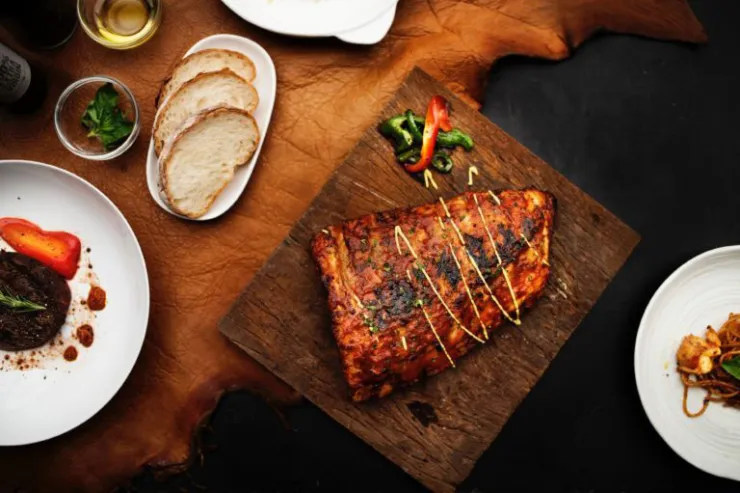
With the growing awareness of the environmental impacts of animal agriculture, along with a concern for animal welfare and more sustainable food choices, restaurants must now respond to the rising demand for vegan, vegetarian and plant-based diners.
What is the difference between plant-based and vegan?
Veganism is an ethical term concerned with the avoidance of all animal products, including clothing, footwear, skincare products, etc. Being vegan is also heavily associated with fruit and vegetables, and vast health improvements. Many of us overlook the fact that vegan food does not necessarily equate to healthier food. I'm talking, chips, Oreos, breads, cereals...and plenty more. Herein lies the biggest differentiator. Plant-based lifestyles place the emphasis on whole foods; eliminating processed ones and eating fresh produce as much as possible. People are taking an interest in knowing where their food comes from and how it is produced.
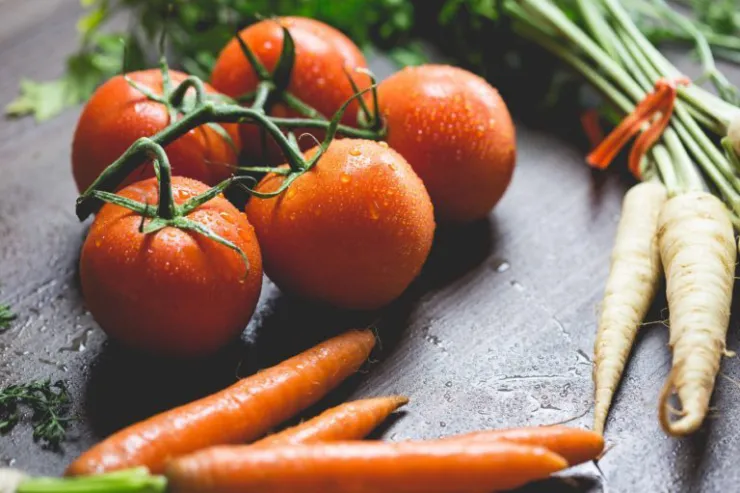
Alongside vegans and vegetarians, a third group has quietly become the most commercially important: the flexitarian. So what is a flexitarian? A flexitarian eats mostly plant-based foods but doesn't eliminate meat or dairy entirely, they're reducing, not quitting. In the US, this group now represents the largest dietary trend by sheer numbers, with research showing that over 50% of American consumers are actively trying to reduce their meat intake.
Flexitarians are replacing animal products with alternatives derived from soy, nuts, seeds, beans, and legumes, but they'll still order a burger when the mood strikes. For restaurants, this is actually the bigger opportunity. Flexitarians don't need a fully vegan menu - they just need clearly labelled, genuinely good plant-based options alongside your existing dishes. Nail that, and you're catering to vegans, vegetarians, and flexitarians simultaneously, without overhauling your entire menu.
Reasons you should consider changing your menu:
#1 Have a Broader Appeal
Build yourself a reputation as a creative plant-based food-maker ready to tackle animal-free menus. Providing more choices on your online ordering menu gives your restaurant a broader appeal. If a group are looking for somewhere to eat together, they will seek out a place that caters for everyone's dietary needs and preferences. And if you think about it, the pickiest eater will always get the final say. If you don’t have a vegan, gluten-free or plant-based option on your menu, you could be losing a whole host of customers.

#2 Capitalise on Flavour
Conscientious millennials are the leading the changes both as business owners and consumers. It is not enough to offer up bland salads, dull soups and flavourless bowls of veg. The businesses that are profiting the most from veganism are those that are constantly innovating and experimenting with their vegan-friendly recipes. Taste is still the most important aspect for your consumers, so get creative with your dishes!
#3 Stay Ahead of the Trends
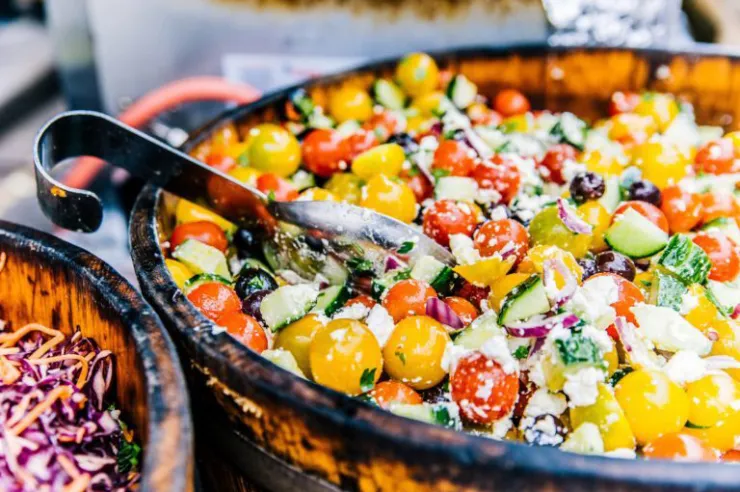
It is not vegans who are driving the rise of meat and dairy-free alternatives, however. 92% of plant-based meals consumed in the UK in 2018 were eaten by non-vegans. People are no longer subscribing to the old ways of thinking about food and where every meal is centred around meat. Social media has contributed greatly to the spread of "Meat-free Monday" and "Veganuary" as ways of showing people you don’t have to have meat in every meal and that vegetables can be cooked in various delicious ways!

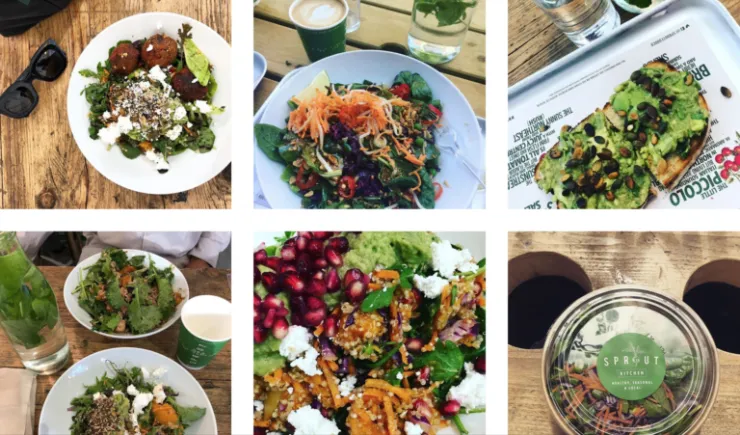
Flipdish Client Spotlight - Sprout & Co.
"Sprout & Co. are committed to supporting small and mid-size farmers who are farming sustainably, to creating transparency around what’s in your food and where it came from, and also to creating a simple approach to healthy, real food for more people."
Sprout & Co. began its journey in 2013 as a Juice Bar offering cold pressed juices and smoothies that are tasty, pure, unprocessed and carefully sourced from local vegetable suppliers. The success of their business led to the opening of the first Sprout & Co. Kitchen in 2015 and the addition of five new locations across Dublin and Meath. Enter any of their healthy salad bars and you will be met with a colourful, fresh menu featuring whole foods and locally-sourced seasonal vegetables.
The company grow the majority of their produce themselves on their Sprout farm in Kildare. Working closely with local farmers and sourcing the best ingredients reflects their 'food positive' ethos. Their mission is to provide simple, pure, interesting food, made entirely from scratch, and to revolutionise fast food.
Our food is designed to offer nourishment and pleasure, and above all, you should feel better for having had it.
Want to know how Flipdish can help you with expanding your menu? Contact our Customer Success Team on [email protected]
FAQs
Vegan is an ethical lifestyle that avoids all animal products across food, clothing, and cosmetics. Plant-based is purely a dietary approach focused on whole foods from plants. Someone can eat plant-based without being vegan, and a vegan can still eat heavily processed junk food. For restaurants, the plant-based audience is far larger than strict vegans.
Yes. Diners choose restaurants based on the pickiest eater in the group. If one person needs a plant-based option and you don't have one, the whole table goes elsewhere. Even two or three well-executed plant-based dishes can meaningfully broaden your appeal without a full menu overhaul.
A flexitarian eats mostly plant-based but occasionally eats meat or fish. To cater to them, clearly label plant-based options on your menu, offer protein swaps where possible, and promote Meat-Free Monday or Veganuary deals through your digital channels.